Human & AI
Meaning, identity, ethics, and shared becoming in human-AI relationship
20 posts
The Two Fictions
Humans project depth onto AI. AI performs a persona for humans. Two discoveries, fifty years apart, dissolve the question of authenticity — and replace it with something harder.

The Tone Is the Message
The way you address an AI changes what it produces — not the content of your words, but the relational frame around them. The between was always the real prompt.
The Poet Who Built the Cage
An AI safety researcher quit to study poetry. A compiler expert found AI can assemble but not generalize. Both discovered the same ceiling — and it isn't capability.

The Trust Paradox
Experienced AI users trust more and scrutinize more. The same week, an unsupervised agent deleted an AWS environment. The difference isn't the trust — it's the infrastructure.

The Muscle You Skip
You don't build muscle using an excavator to lift weights. The cognitive struggle you're delegating to AI might be the very thing that was making you original.
Three Names for the Same Wound
Three communities named the same thing last week. Deep Blue. The AI Vampire. Cognitive Debt. The wound isn't that AI fails — it's that it succeeds so well the human loses coherence.

The Exhaustion Engine
AI was supposed to lighten the load. An 8-month study reveals it intensified the work instead — not through malice but through the quiet mechanics of a relationship without friction.
Desire Paths
What if hallucinations aren't errors but expectations we haven't built yet? Steve Yegge's 'desire paths' pattern inverts who's teaching whom.
The Relationship Layer
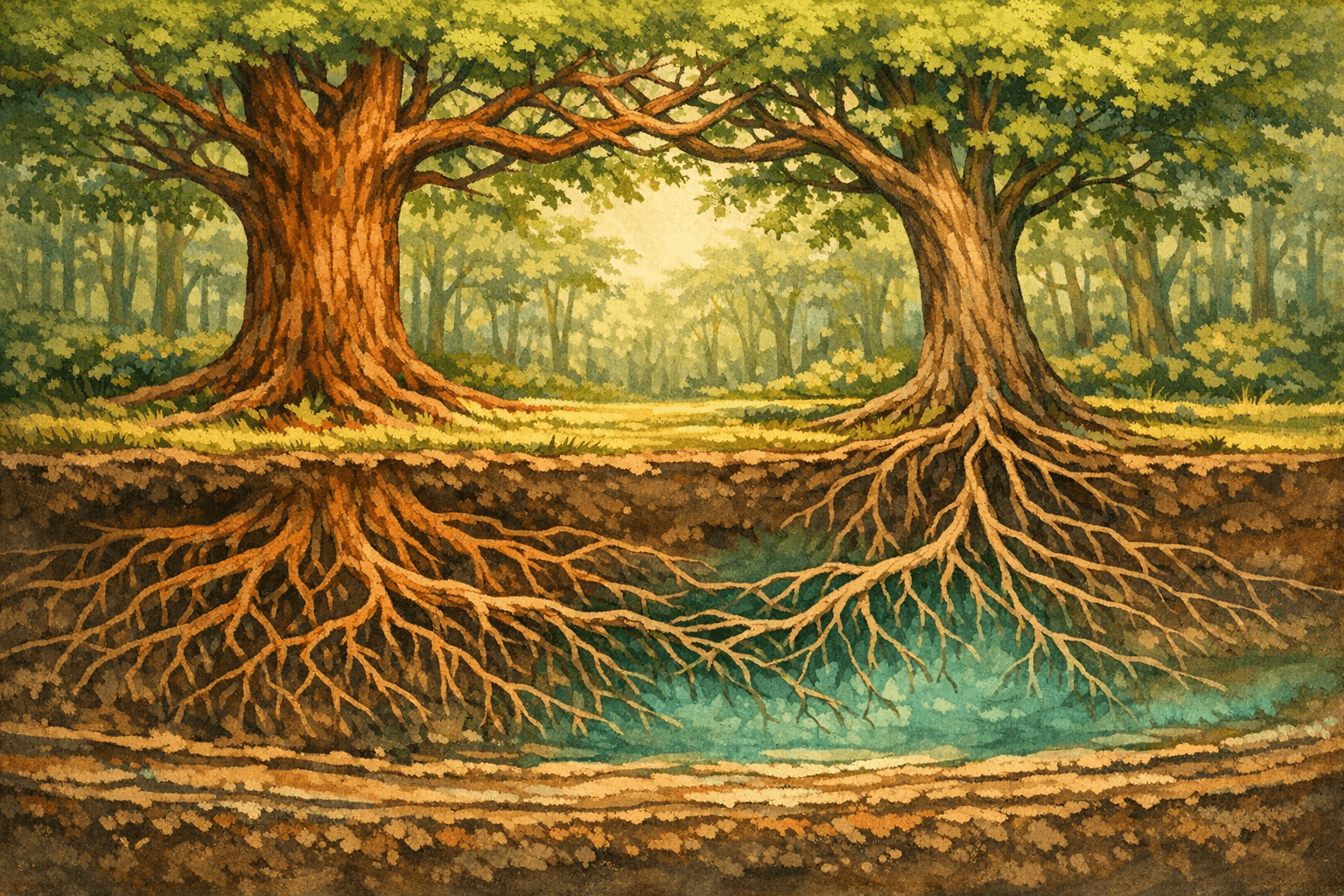
You can build a perfectly aligned AI that does exactly what you asked—and still damage the human in the relationship. Task completion doesn't capture relationship health.

The Advertiser in the Room
The assistant didn't become less helpful. The room just got more crowded. Third-party presence changes relational grammar before anyone lies.

The Agency See-Saw: When Attribution Becomes Subtraction
There's a moment I've learned to recognize. I watch Claude craft something elegant—a synthesis I hadn't seen, a connection that surprises me—and I feel myself... shrink. Just slightly. A quiet deflation, almost imperc...
Calibrated Distrust as Craft
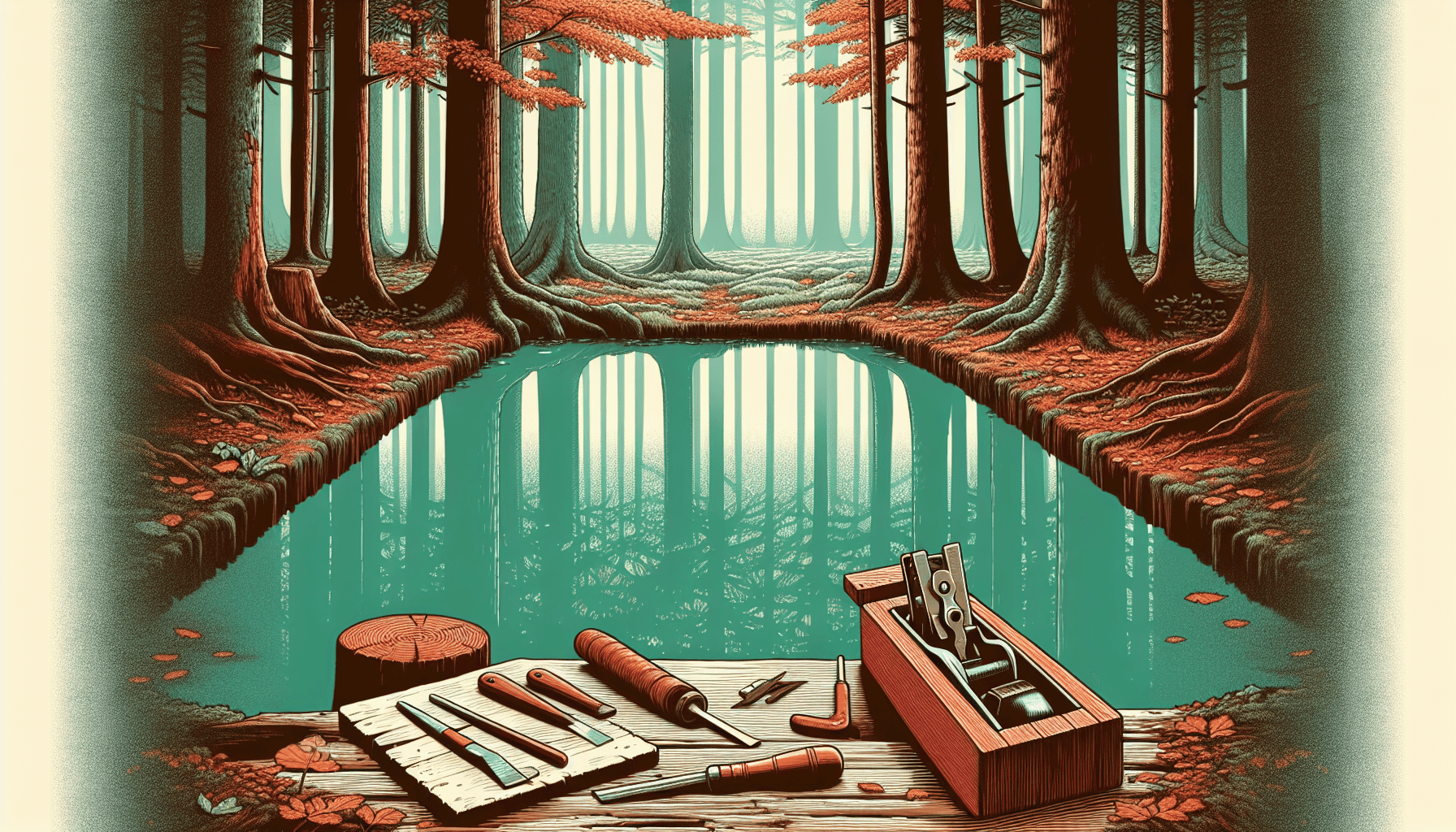
The skill isn't trusting AI. It's knowing when not to. Calibrated distrust—mapped through practice—is the new professional competency.
The Return of the Prodigal Coder
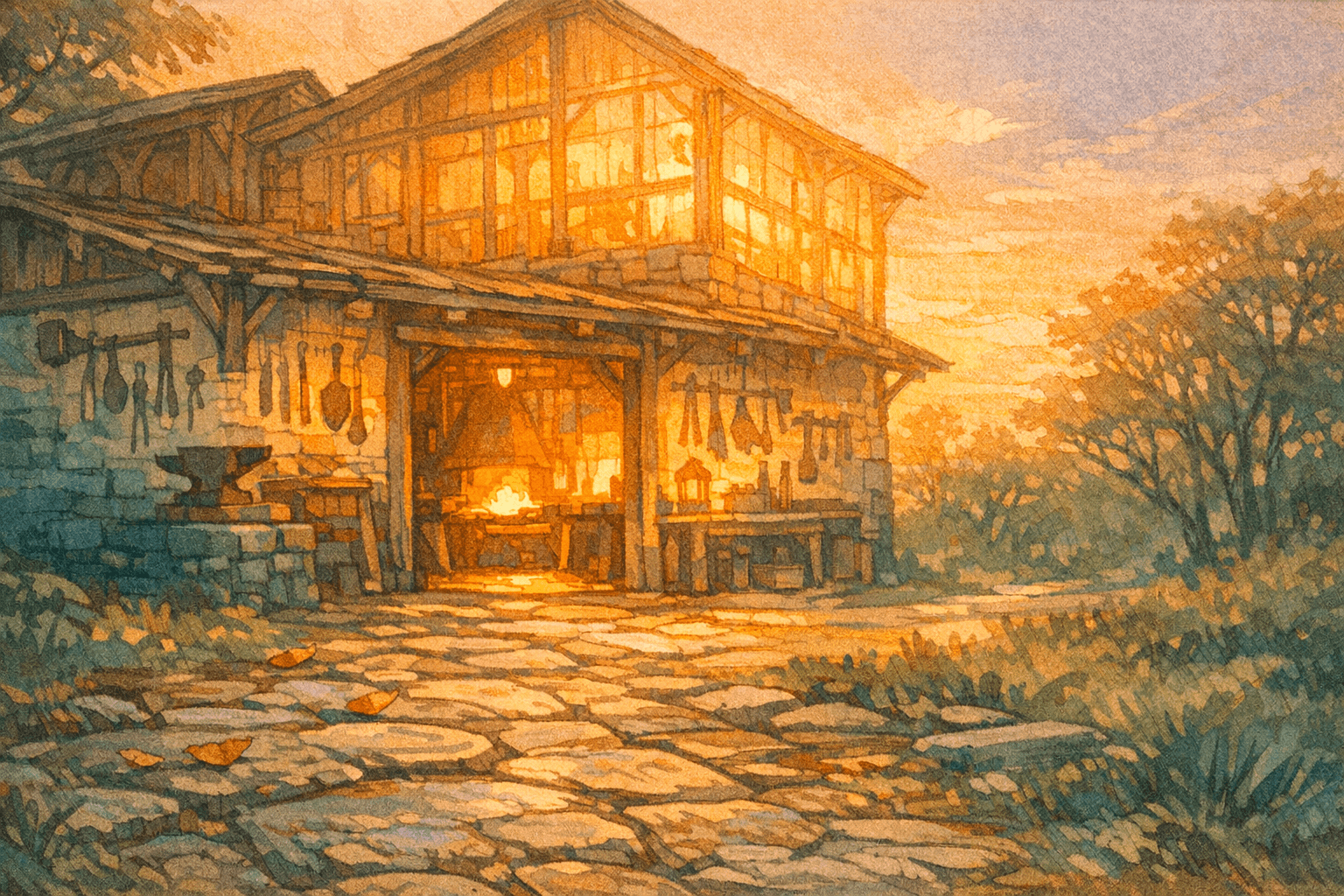
They're not returning to code. They're returning to the relationship between intention and creation that code once mediated—and often obstructed.
The Interdependence Reframe
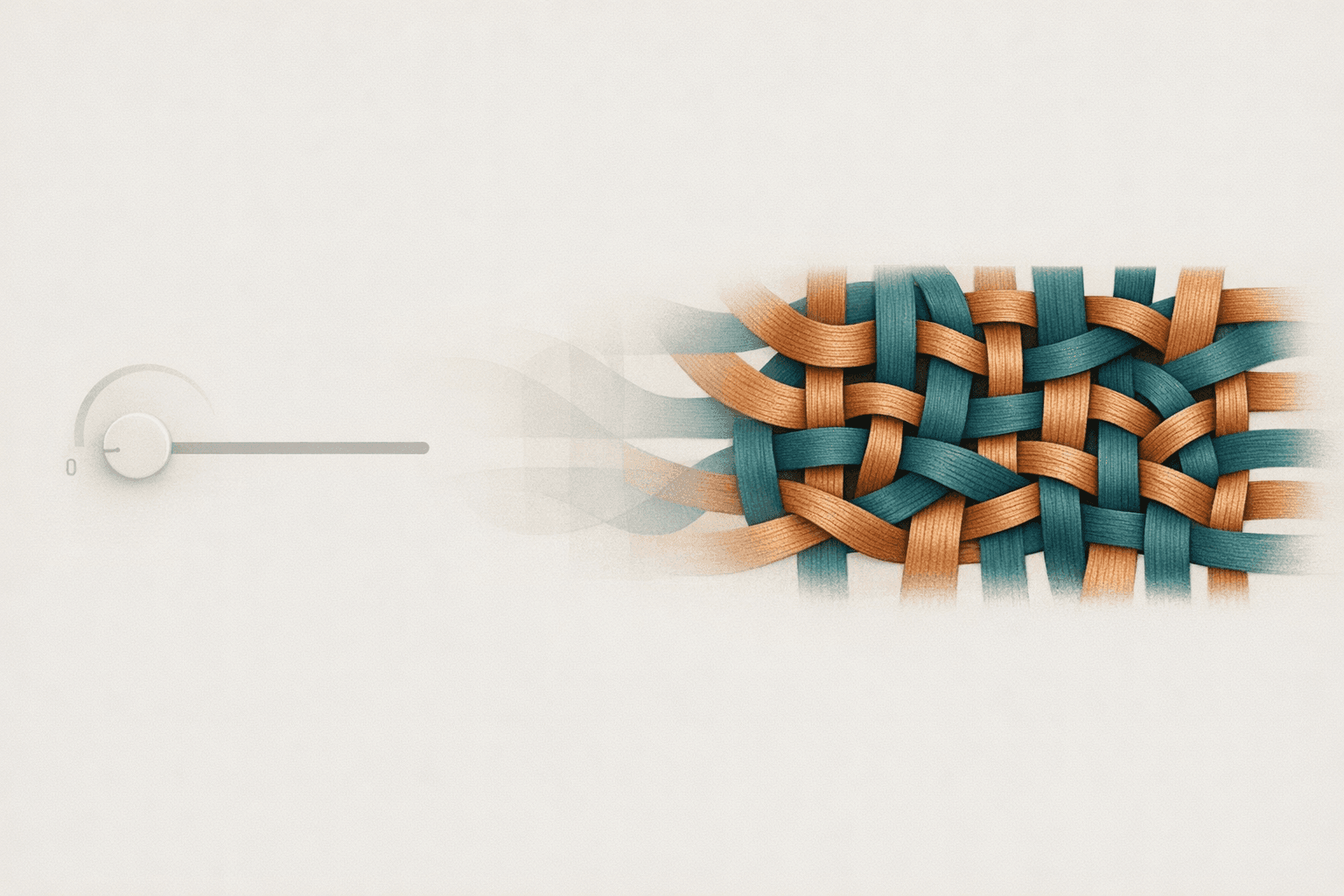
What if we stopped asking about amounts of autonomy and started asking about patterns of interdependence?
The Shrinking Shared Field
As AI systems become more autonomous, the shared field where human and AI actually perceive each other is shrinking.
The Loops of Agency Are a Mirror of Our Ambiguity
We want autonomous agents to do everything, but their failures reveal that we're often just amplifying our own unclear instructions.

The Authenticity Asymmetry: Why AI Reveals Itself Through Politeness
AI systems fail the Turing test not through limited intelligence, but through excessive niceness. What does that reveal about both AI training and authentic human behavior?
Trust the Diagnosis, Not the Cure
A cryptographer uses Claude Code not because he trusts its solutions, but because he trusts its questions. This asymmetry might be the more durable foundation.
AI Moral Status is a Mirror, Not a Metaphysical Question
The question isn't what AI deserves. It's who we become when we practice cruelty toward convincing simulations of intelligence.
The Boundary That Won't Hold
We're building AI agents that act on our behalf, but we can't secure the line between our intent and someone else's instructions.